What happened
Parking lot injuries: who actually controls the lot?
The lot is where the responsibility question gets complicated, because the store often doesn't own or maintain it. A shopping center landlord may control common areas, a snow removal contractor may have been hired for the season, and a maintenance company may handle striping, lighting, and repairs.
Working out who owed the duty is the first task, and it's answered by documents — the lease, the common area maintenance agreement, and the service contracts — not by who has the sign on the building.
Published July 27, 2026 · Last reviewed July 30, 2026
Snow and ice
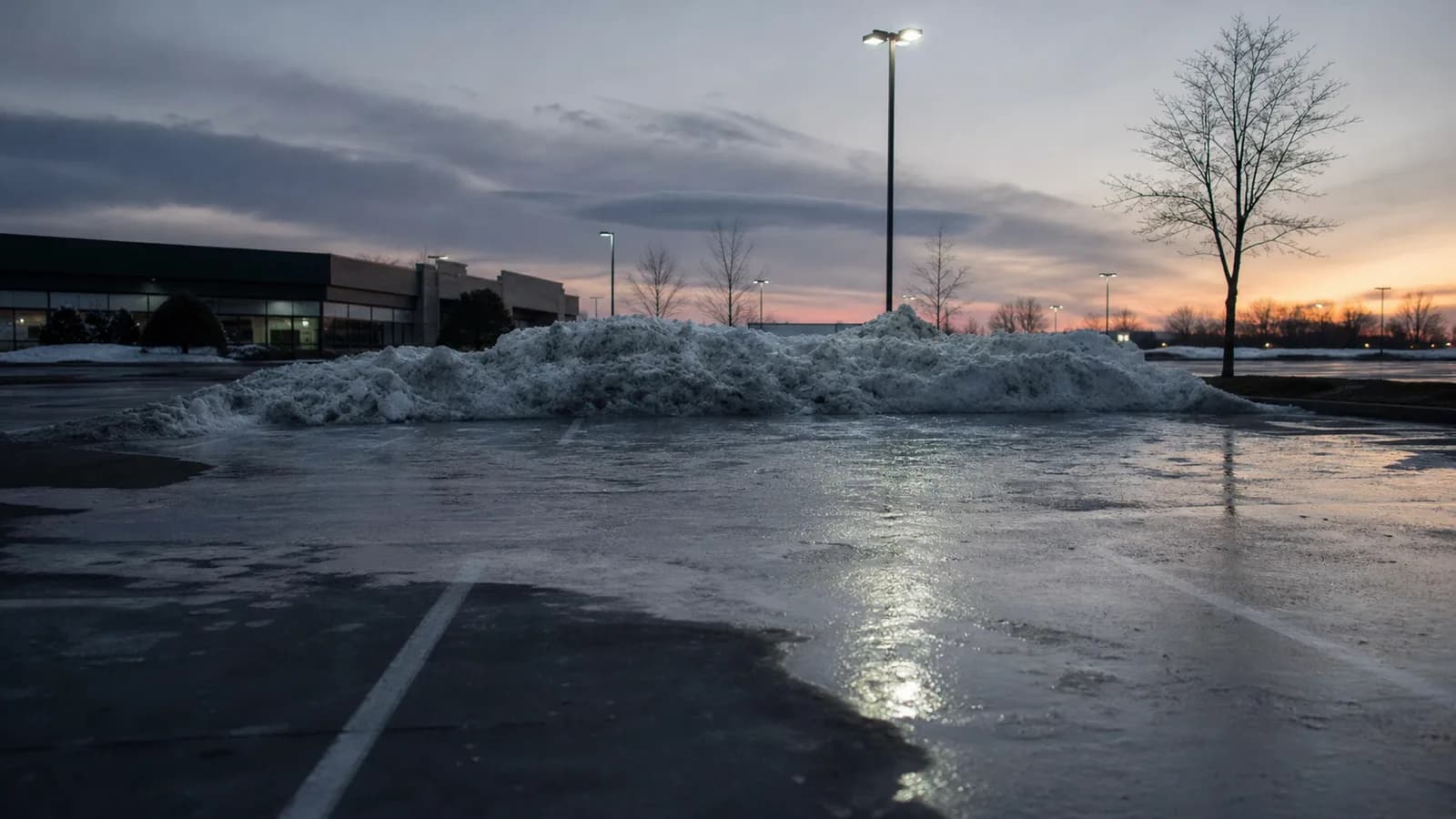
The most litigated parking lot hazard, and the rules vary more by state than almost anything else in premises law.
Some states apply a natural accumulation rule: a property owner isn't liable for snow or ice that accumulated naturally and wasn't altered. Others impose an ongoing duty to clear within a reasonable time. Several apply a storm in progress rule, where the duty doesn't begin until a reasonable period after the weather stops.
What tends to matter across all of them is whether the ice was natural or created — refreeze from a plow pile melting across a lot, runoff from a downspout or roof drain that channels onto a walkway, or a low spot that ponds and freezes. Created and unnatural accumulations are treated far less forgivingly than fresh snowfall.
Surface defects and lighting
Potholes, broken pavement, unmarked wheel stops, curb drop-offs, missing or crumbling lot striping, and drainage grates that don't sit flush. These are maintenance failures, and the notice question returns — how long was it like that, and was there a record of it.
Inadequate lighting supports both trip claims and, separately, claims arising from assaults in the lot. A dark lot at a location with prior criminal incidents raises a negligent security question that is analyzed differently and typically involves the property owner's knowledge of the area's crime history.
Being struck by a vehicle
If a car hit you in the lot, there are usually two independent claims: one against the driver through their auto policy, and a separate premises claim if the lot's design contributed — no marked pedestrian path, blind corners, missing stop signage, poor sightlines from the entrance.
These don't compete. The driver's coverage is often modest, and the premises claim reaches a commercial policy with much higher limits.
What tends to make a claim worth pursuing
None of these is a guarantee. They are the facts an attorney will look for first when deciding whether to take a case like yours.
- The ice came from a plow pile, downspout, or drainage rather than fresh snowfall
- The defect had visibly been there a long time
- A snow removal or maintenance contractor serviced the lot
- The area was poorly lit or unlit
- There were prior complaints or incidents at the same spot
- You were struck by a vehicle in a lot with no marked pedestrian route
Questions
The store says the landlord owns the lot. Is that the end of it?
No — it identifies another defendant rather than eliminating one. Leases frequently assign common area maintenance to one party and reserve rights to another, and both can end up owing a duty. The lease and the maintenance agreements settle it, and those are obtainable in litigation.
It had been snowing all day. Do I have a claim?
Depends heavily on your state. Under a storm in progress rule, a duty to clear may not have arisen yet. But if the ice you slipped on came from an earlier storm, a plow pile, or a drainage problem rather than the active snowfall, the natural accumulation defense generally doesn't apply.
How do I document a parking lot hazard after the fact?
Go back and photograph it in daylight with something for scale, and photograph the wider area to establish location. Then keep checking — defects get repaired quickly once a claim is reported, and a photograph taken before the repair is far more valuable than one taken after.
Read next
Other situations
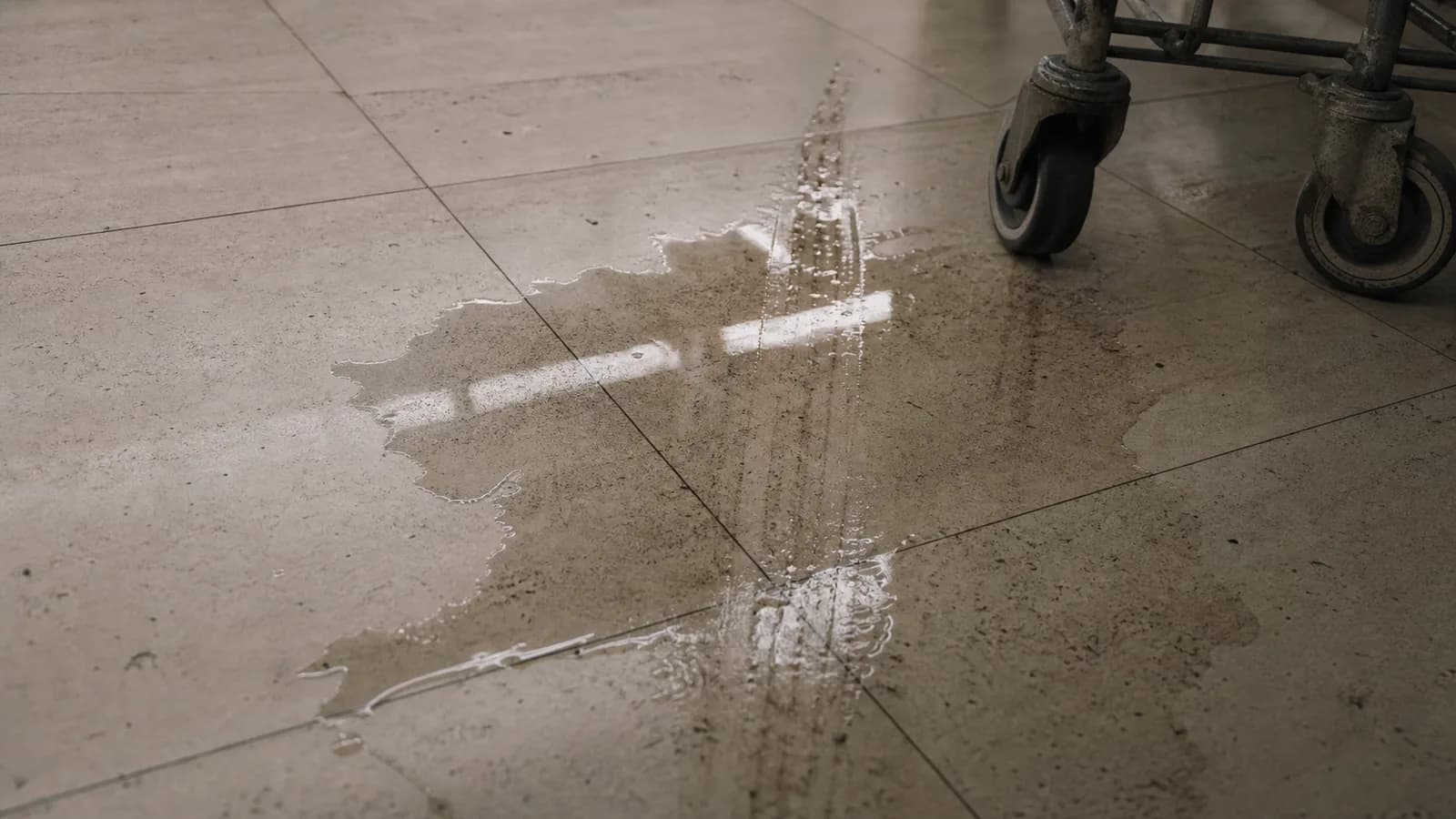
I slipped on a wet floor
The whole case is how long the spill sat there. Sweep logs and video answer it.
Read this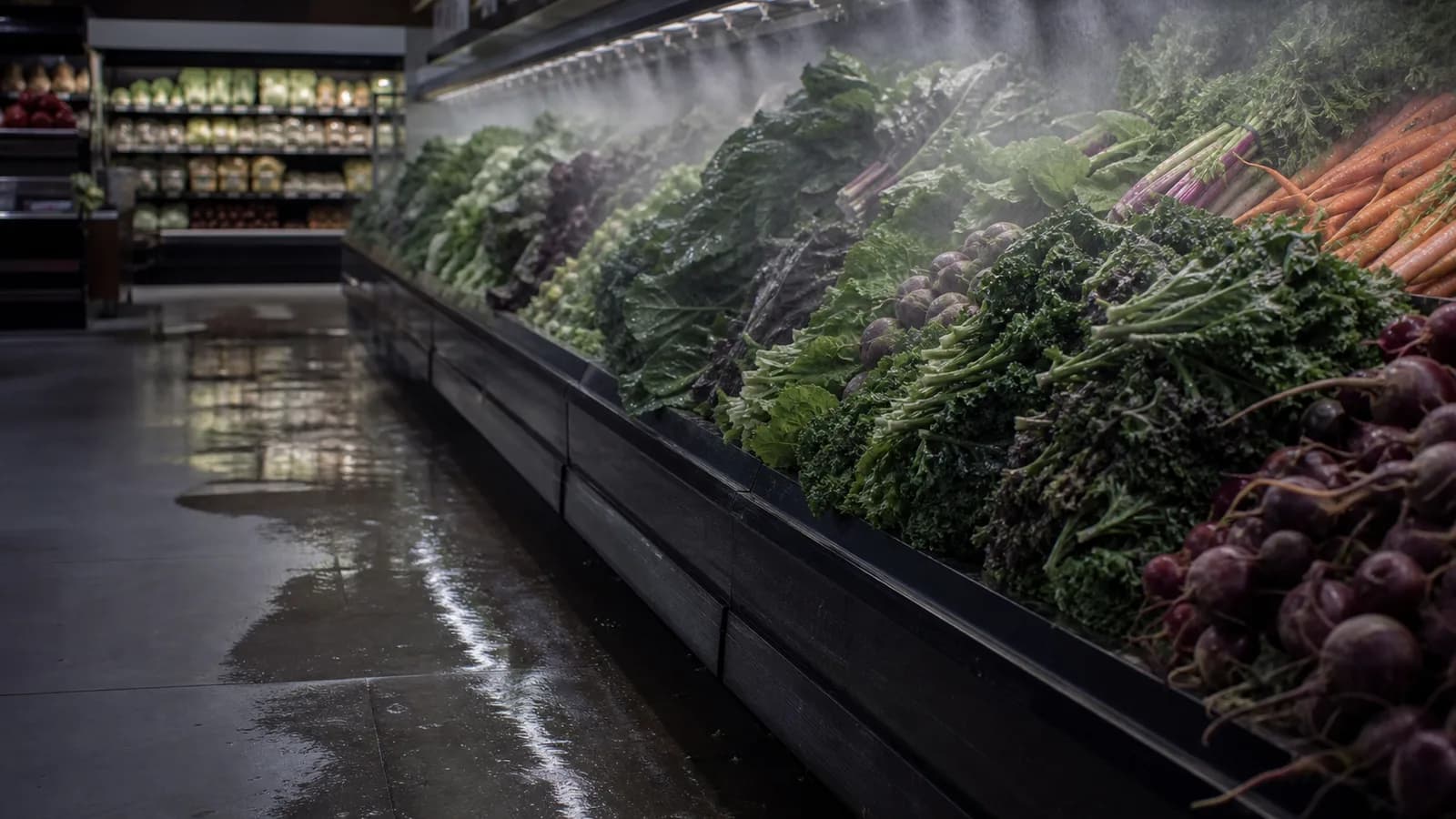
I fell in a grocery store
Supermarkets create hazards by design. Several states let you use that.
Read this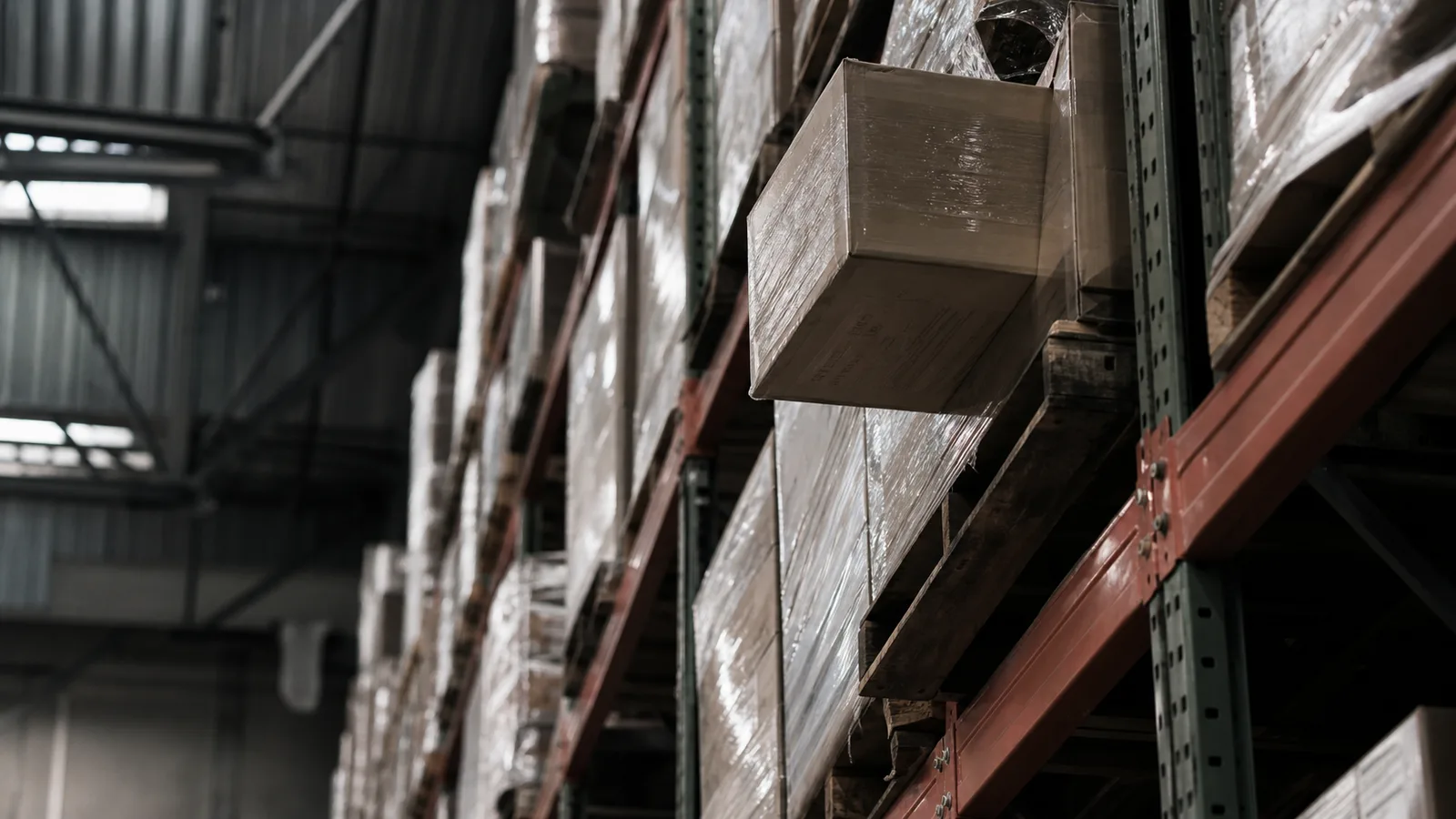
Merchandise fell on me
Usually a stronger claim than a slip — the store stacked it, so they created the hazard.
Read thisEvidence and research resources
See all resourcesEvidence checklist
The records, objects, photographs, and timelines worth preserving now.
Read thisPlain-language glossary
Medical, insurance, safety, and legal terms explained without the jargon.
Read thisOfficial sources
The government, court, safety, and medical sources used to check this site.
Read thisHave a lawyer look at this
A free review tells you whether the facts you have are the facts that matter. No cost, and no obligation to hire anyone.
Free · No obligation · About 90 seconds