Premises liability
The video is already being overwritten.
Most store injury claims are won or lost on two things: whether the store knew about the hazard, and whether anyone asked for the footage before it looped. One of those has a clock on it.
Free · No obligation · About 90 seconds
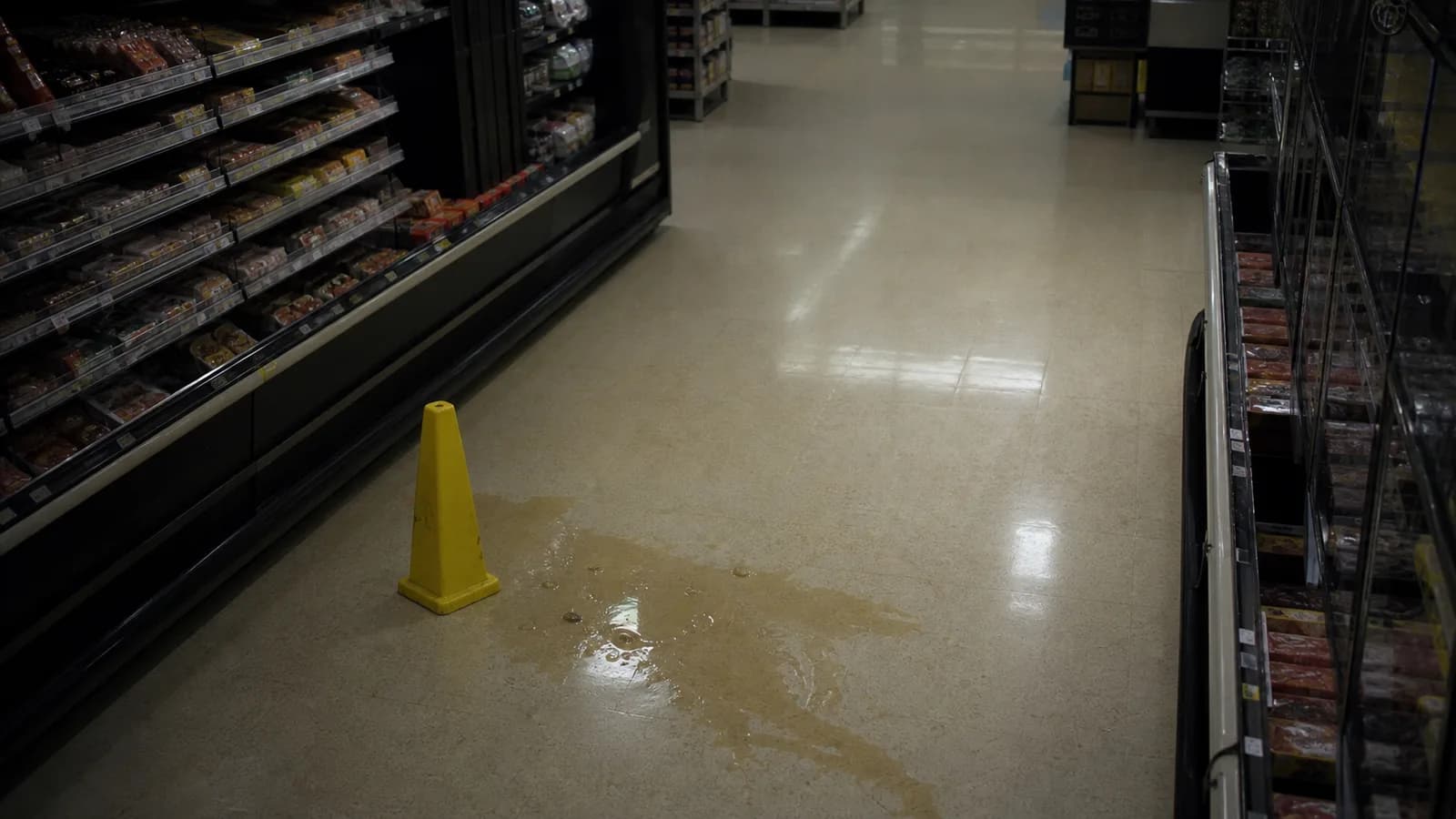
14–30 days
Typical retention window before retail surveillance footage is overwritten, unless someone demands it be preserved
Common retail loss-prevention practice; varies by chain
Notice
The legal question nearly every store injury claim turns on — did they know, or should they have
Premises liability doctrine, all 50 states
Falling in a store feels like it should be simple. It wasn't your fault, it happened on their floor, they have insurance. In practice these are among the harder injury claims to prove, and the reason is a doctrine most people have never heard of: notice.
A store is not automatically responsible for every hazard on its floor. It is responsible for hazards it created, hazards it actually knew about, and hazards that were there long enough that a reasonably careful store should have found them. A jar that shattered ninety seconds before you walked past is usually nobody's fault. The same spill, sitting there for forty minutes while three employees walked by, is a case.
Which of those you have is almost always answered by surveillance video and by the store's own inspection logs — the sweep sheets employees are supposed to initial on a schedule. Both are in the store's possession, both are routinely overwritten or discarded on a normal retention cycle measured in weeks, and neither is preserved unless someone asks in writing. That is the single most time-sensitive thing on this entire site.
Start with what happened
What the store did wrong differs by hazard, and so does the evidence that proves it. Pick what matches.
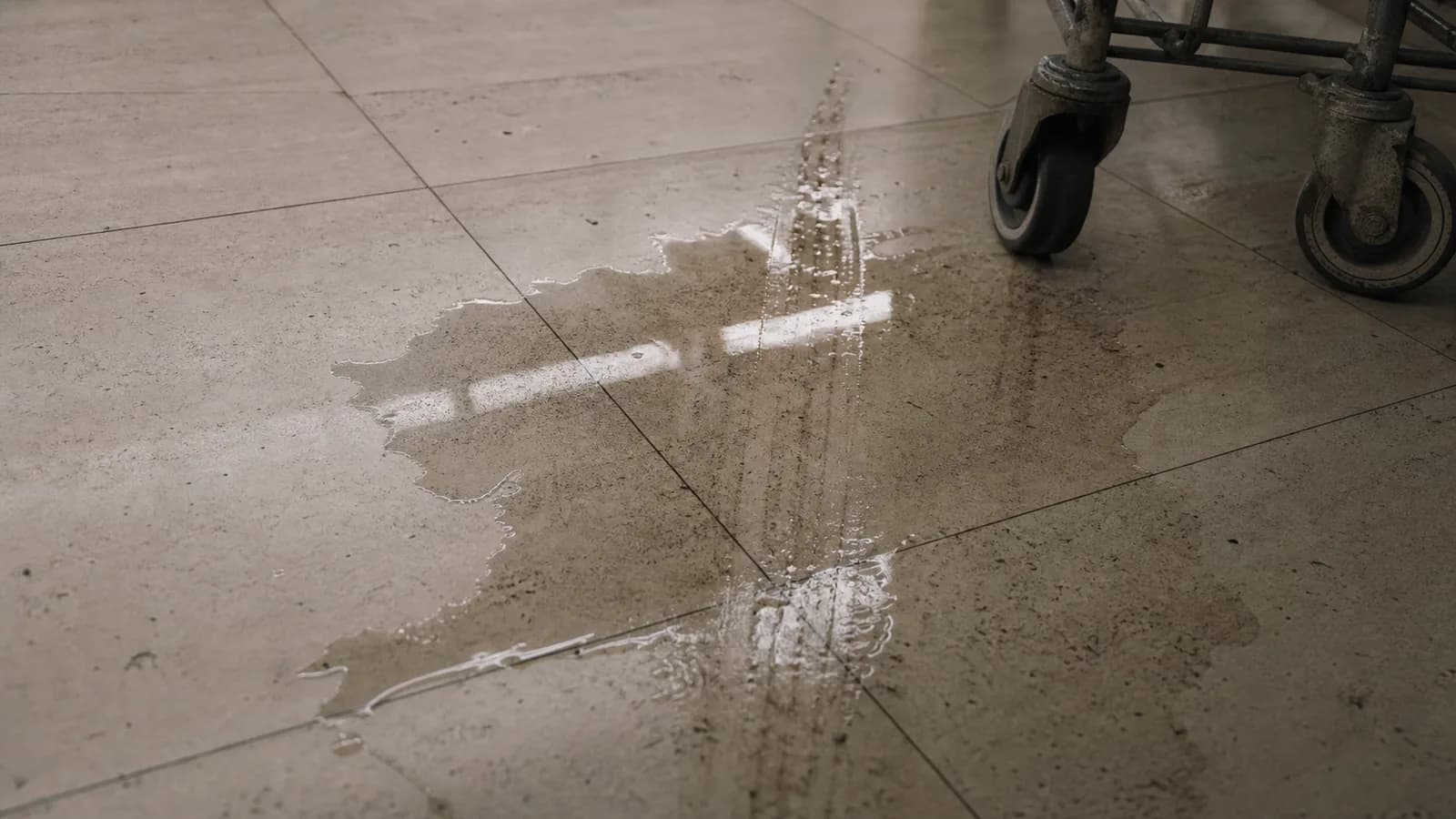
I slipped on a wet floor
The whole case is how long the spill sat there. Sweep logs and video answer it.
Read this
I fell in a grocery store
Supermarkets create hazards by design. Several states let you use that.
Read this
Merchandise fell on me
Usually a stronger claim than a slip — the store stacked it, so they created the hazard.
Read this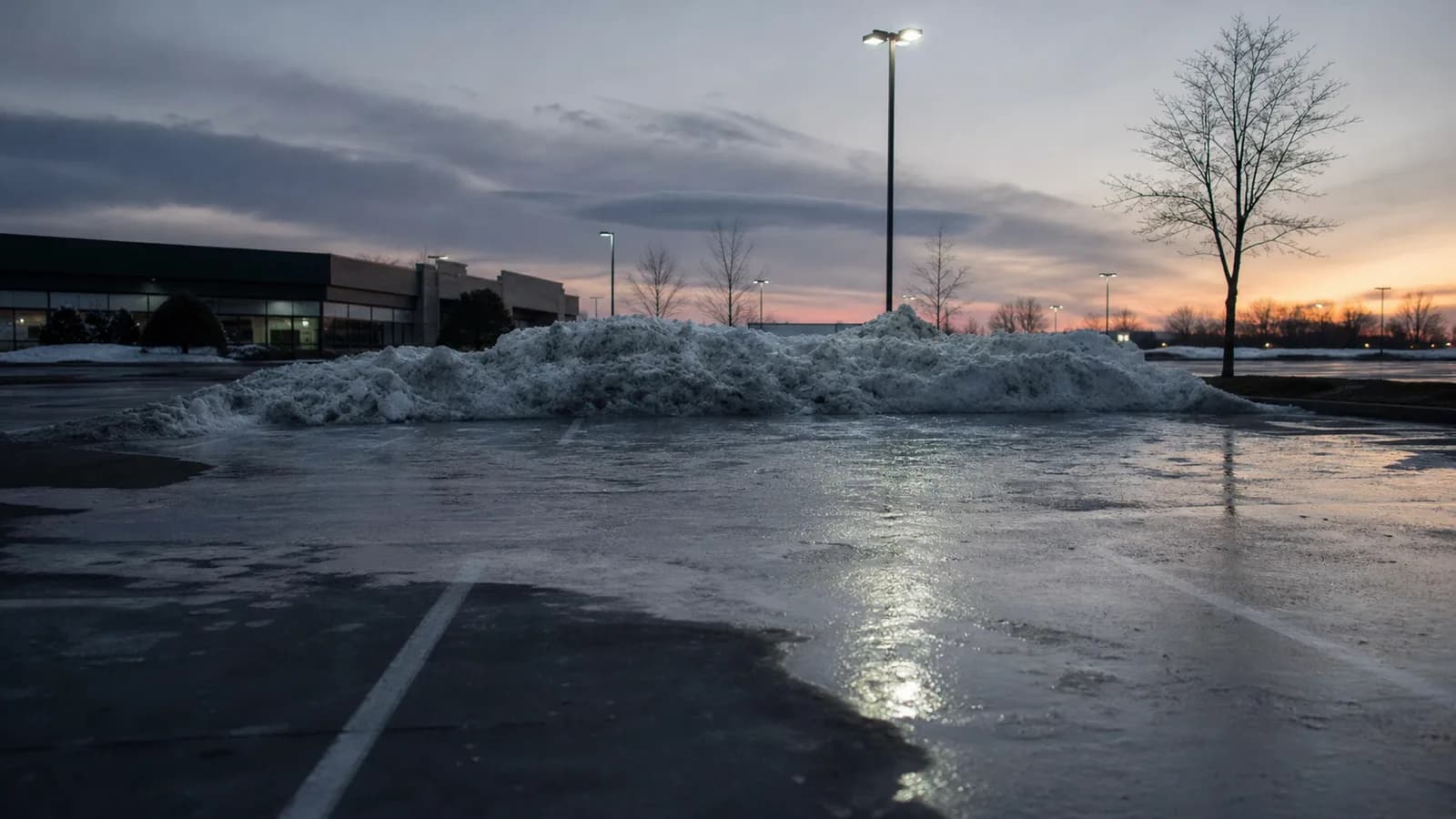
I was hurt in the parking lot
The first question isn't what happened. It's who was contractually responsible for the lot.
Read thisBefore you talk to anyone
Two of these are urgent. The other two you can read once you've dealt with the first two.
Getting the video before it's gone
Footage loops in weeks. A written preservation demand is the only thing that reliably stops it.
Read thisWhat 'notice' actually means
Three ways to prove a store was responsible. Which one you have decides everything.
Read thisWhat these claims are worth
Honest version: this is a lower-value category. Here's what moves the number anyway.
Read thisThe deadlines
The legal deadline is years away. The one that matters is weeks.
Read thisEvidence and research resources
See all resourcesEvidence checklist
The records, objects, photographs, and timelines worth preserving now.
Read thisPlain-language glossary
Medical, insurance, safety, and legal terms explained without the jargon.
Read thisOfficial sources
The government, court, safety, and medical sources used to check this site.
Read thisCommon questions
Is this a law firm?
No. Store Accident is a free service that connects people to independent attorneys handling premises liability cases. We don't practice law, don't give legal advice, and nobody here is your lawyer.
What does it cost?
Nothing. We're paid a flat advertising fee by the firms we refer to. It doesn't scale with your case and it never comes out of a recovery.
What's the most urgent thing I should do right now?
Get the surveillance video preserved in writing, and get medical treatment if you haven't. Everything else in a store case can wait a few days. Those two can't.
The store's insurance company already called me. Should I give a recorded statement?
You're not obligated to, and it's generally worth having someone review your situation first. Recorded statements are taken early specifically because claimants don't yet know the extent of their injuries, and offhand phrasing gets used later.
Will you sell my information?
We share your submission with the law firm we refer you to and the providers who transmit and store it. We don't sell it to marketing lists or data brokers, and you can revoke consent to be contacted at any time.
Find out if you have a case
Tell us what happened. If your situation looks like something a lawyer should see, we connect you with an independent attorney who handles this type of claim. If it doesn't, we'll say so.
Free · No obligation · About 90 seconds