Guide
The video is on a timer. Here's how to stop it.
If you read one page on this site, this is the one, and it's the one with an actual deadline attached.
Retail surveillance systems record over themselves on a fixed cycle. Depending on the chain and the camera, that cycle is commonly somewhere between two weeks and a month. Once it loops, the footage of your fall is gone permanently — and no court order can bring it back.
Published July 27, 2026 · Last reviewed July 30, 2026
Why asking doesn't work
Customers who call and ask for footage are almost universally told no, or told it will be handled through the claims process, or simply never called back. That isn't hostility so much as policy — loss prevention doesn't release footage to claimants, and the request often doesn't reach anyone with the authority to flag the file.
What changes the outcome is a written demand that puts the store on formal notice that a claim exists and that specific evidence must be preserved. That letter creates a legal obligation and, crucially, a record of when they were told.
Spoliation, and why the letter matters even if they ignore it
Spoliation is the destruction of evidence a party knew or should have known was relevant to a claim. Where a court finds it happened, the remedies can be severe: an instruction telling the jury it may assume the destroyed evidence was unfavorable to the store, exclusion of the store's own competing evidence, or in extreme cases a finding on liability.
This is why the letter is valuable in both directions. If the store preserves the footage, you have the evidence. If they overwrite it after receiving written notice, their failure to preserve becomes a fact in the case — and an adverse inference instruction is sometimes worth more than the video would have been.
What to demand, specifically
Vague requests get vague compliance. Name the material.
- Footage from every camera with a view of the incident location, plus the aisles and entrances feeding it
- A window well beyond the incident itself — several hours before and at least an hour after, so the hazard's origin and the store's response are both captured
- The incident report and any internal claim file
- Sweep, inspection, and floor maintenance logs for that date and the preceding days
- Work orders, maintenance records, and repair invoices for the specific location or equipment
- Prior incident reports at the same location
- Employee schedules and identities for the department at that time
- Any photographs taken by store personnel
Time this in days, not weeks
Everything else in a premises case can wait a little. This cannot. If you're going to talk to an attorney about a store injury at all, doing it in the first week or two is worth more than anything else you can do — because the letter goes out the day someone is engaged.
Questions
Can I send the preservation letter myself?
Yes, and if you're not going to speak to an attorney immediately, send one — a dated letter from you is far better than nothing. A letter on a firm's letterhead tends to get routed to the claims department faster and taken more seriously, but the legal obligation attaches to the notice, not the letterhead.
The store told me they already have the video. Is that enough?
Not without something in writing. Verbal assurances from a manager who won't be there in three months are not a preservation record, and 'we have it' and 'we've flagged it so it won't be overwritten' are different statements. Get it confirmed in writing.
What if the footage is already gone?
The case isn't necessarily over. Witness accounts, the incident report, sweep logs, maintenance records, and prior incidents all still exist. And if the footage was destroyed after the store was on notice of a claim, that destruction itself becomes an issue in your favor.
Situations this applies to
I slipped on a wet floor
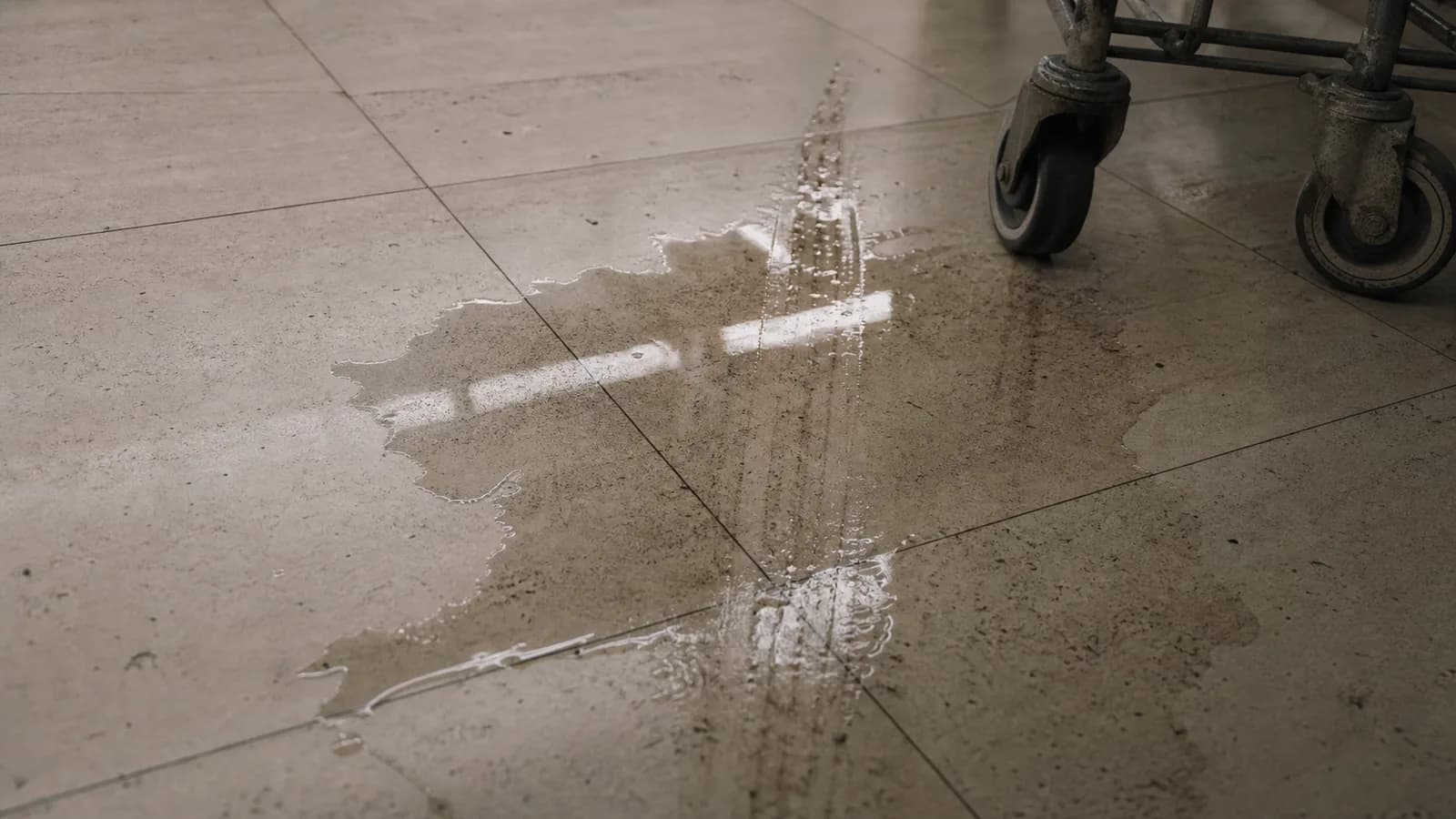
The whole case is how long the spill sat there. Sweep logs and video answer it.
Read this
I fell in a grocery store
Supermarkets create hazards by design. Several states let you use that.
Read this
Merchandise fell on me
Usually a stronger claim than a slip — the store stacked it, so they created the hazard.
Read this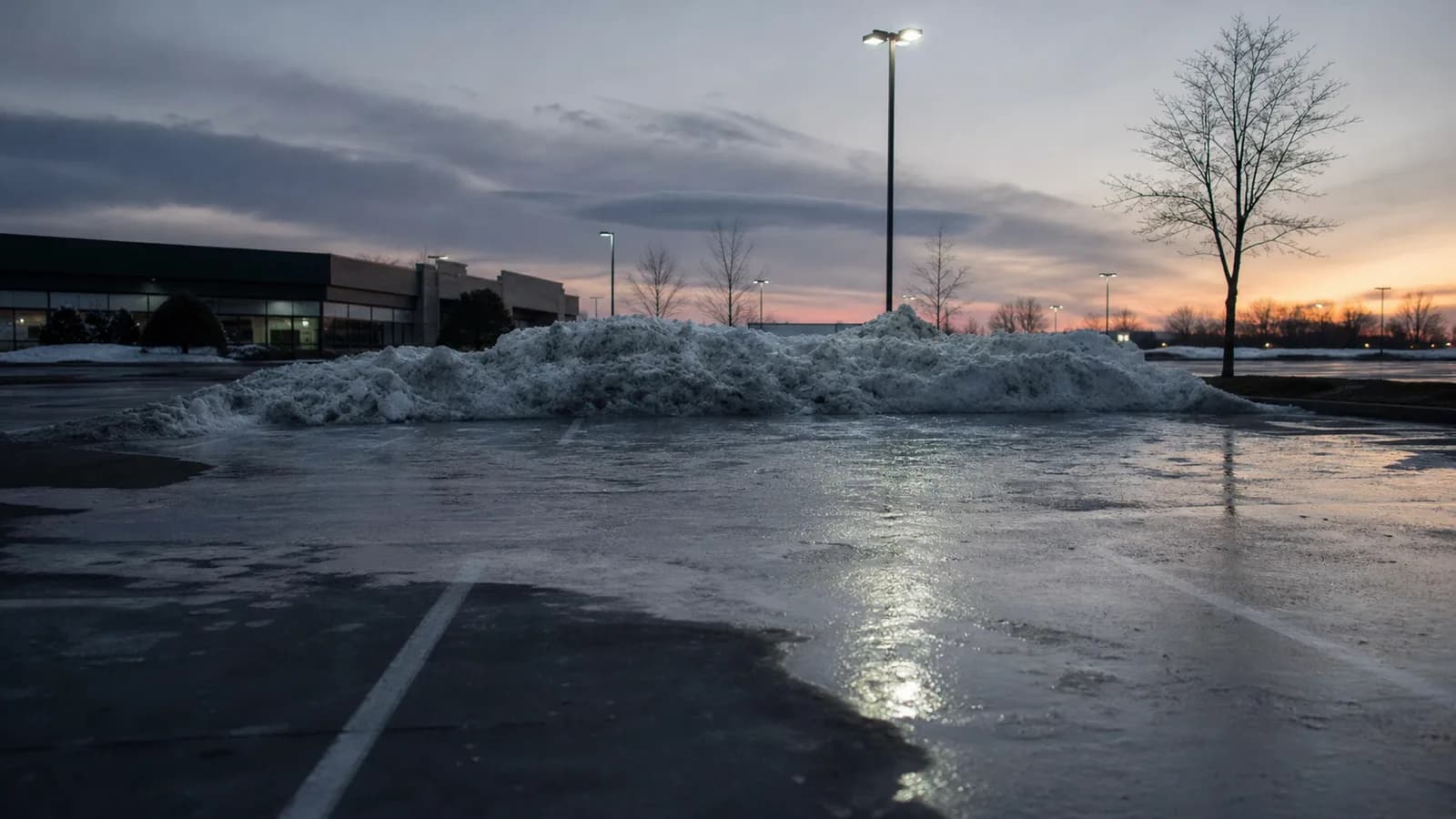
I was hurt in the parking lot
The first question isn't what happened. It's who was contractually responsible for the lot.
Read thisRelated guides
What 'notice' actually means
Three ways to prove a store was responsible. Which one you have decides everything.
Read thisThe deadlines
The legal deadline is years away. The one that matters is weeks.
Read thisWhat these claims are worth
Honest version: this is a lower-value category. Here's what moves the number anyway.
Read thisEvidence and research resources
See all resourcesEvidence checklist
The records, objects, photographs, and timelines worth preserving now.
Read thisPlain-language glossary
Medical, insurance, safety, and legal terms explained without the jargon.
Read thisOfficial sources
The government, court, safety, and medical sources used to check this site.
Read thisGet a straight answer about your case
Reading only gets you so far. A free review puts your actual facts in front of an attorney who handles these claims.
Free · No obligation · About 90 seconds