What happened
Grocery stores are a special case
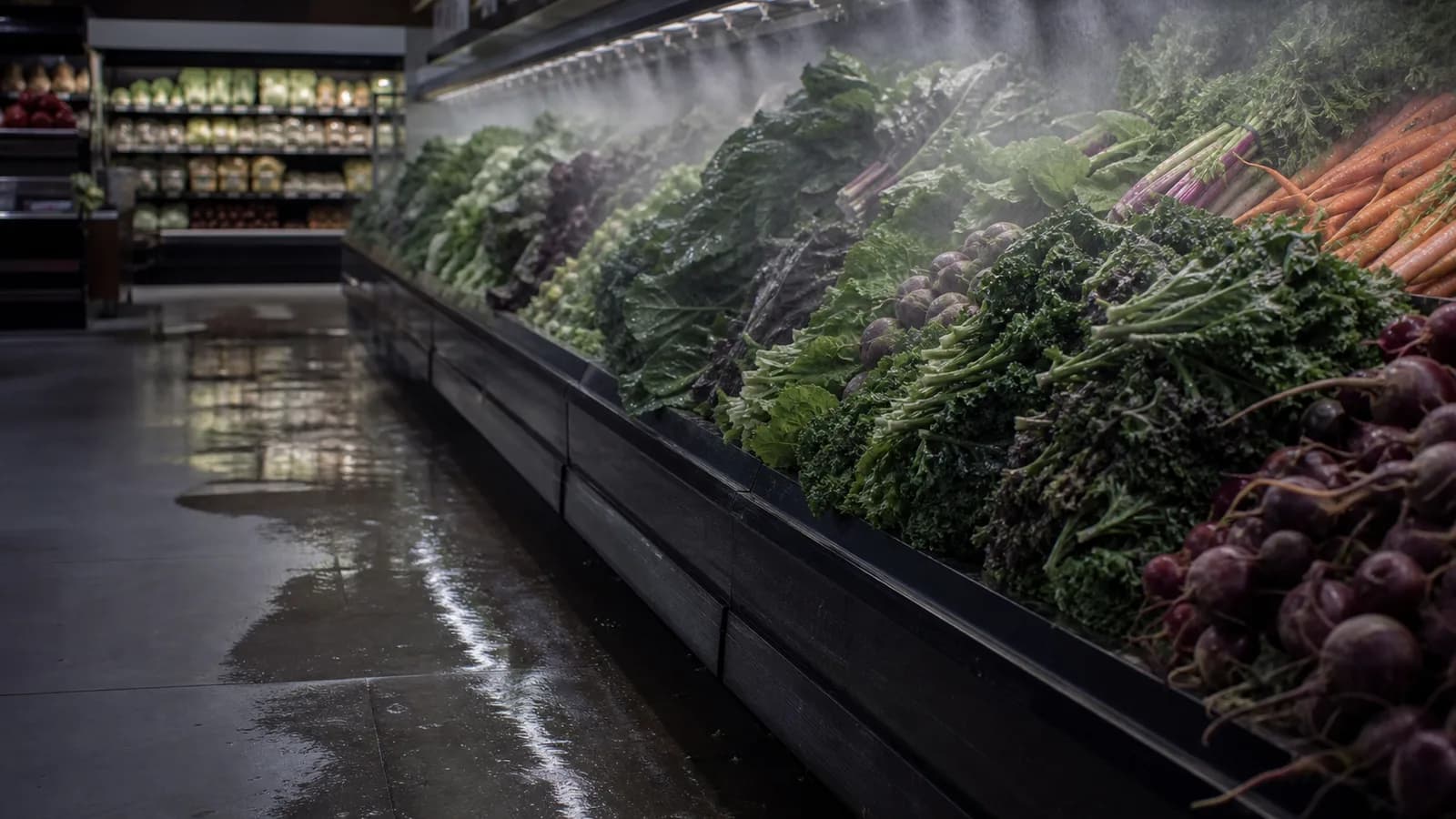
Grocery stores produce hazards continuously and by design: misted produce, dripping freezer cases, loose grapes, sample tables, self-serve bulk bins, wet floors near the deli. A store that builds its business around these features cannot be surprised when they cause spills.
That's the basis of a doctrine that changes what you have to prove.
Published July 27, 2026 · Last reviewed July 30, 2026
Mode of operation
In a number of states, where a business's chosen method of operation makes a particular hazard reasonably foreseeable, the plaintiff doesn't have to prove the store knew about the specific spill. Self-service retail is the classic example — if you let customers handle loose produce, some of it ends up on the floor, and you're on notice of that as a category.
Not every state recognizes this, and some have narrowed it. Where it applies, it removes the hardest element of the case.
The recurring hazard argument
Even without a mode of operation rule, a hazard that keeps happening in the same place is powerful. A freezer case that has leaked for months, a misting system that overshoots onto the tile, a spot by the entrance that floods every time it rains.
Evidence of recurrence usually exists: prior incident reports at the same location, maintenance work orders, repair invoices, employee complaints, and other customers' claims. All of it is obtainable, and a defendant who says 'we had no idea' with three prior work orders on that cooler has a serious problem.
Where grocery falls actually happen
The location matters because it points to which department's procedures failed.
- Produce — misting overspray, dropped fruit, the floor around the display
- Frozen and dairy — condensation and cooler leaks, often chronic
- Entryway — tracked-in rain and snow, mats that are missing, curled, or saturated
- Deli and hot foods — grease and water, plus a high-traffic queue
- Floral — standing water at the display
- Aisles — dropped or broken product, spilled drinks, pallets and stocking equipment left out during restocking
What tends to make a claim worth pursuing
None of these is a guarantee. They are the facts an attorney will look for first when deciding whether to take a case like yours.
- The fall was near produce misting, a cooler, a floral display, or an entrance
- The same spot has flooded, leaked, or been slippery before
- Floor mats were absent, bunched, or soaked
- It was raining or snowing and the entry wasn't managed
- Restocking equipment or a pallet was in the aisle
- The chain has prior incident reports at that store
Questions
Does the mode of operation rule apply in my state?
It varies significantly — some states apply it broadly to self-service retail, some have limited it to specific circumstances, and others have rejected it. It's one of the first things an attorney in your state will check, because it changes what has to be proven.
It was raining. Doesn't the store get a pass on wet entryways?
Not a pass, but the standard shifts. Stores aren't required to keep an entrance perfectly dry in a storm. They are required to take reasonable measures — mats, warnings, more frequent mopping. A store with no mats out during a downpour has not taken reasonable measures.
I fell over a pallet a stocker left in the aisle. Is that different?
It's usually stronger. An obstruction placed by an employee means the store created the hazard, which removes the notice problem entirely. The defense shifts to arguing the pallet was open and obvious — a fight about visibility rather than about whether they knew.
Read next
Other situations
I slipped on a wet floor
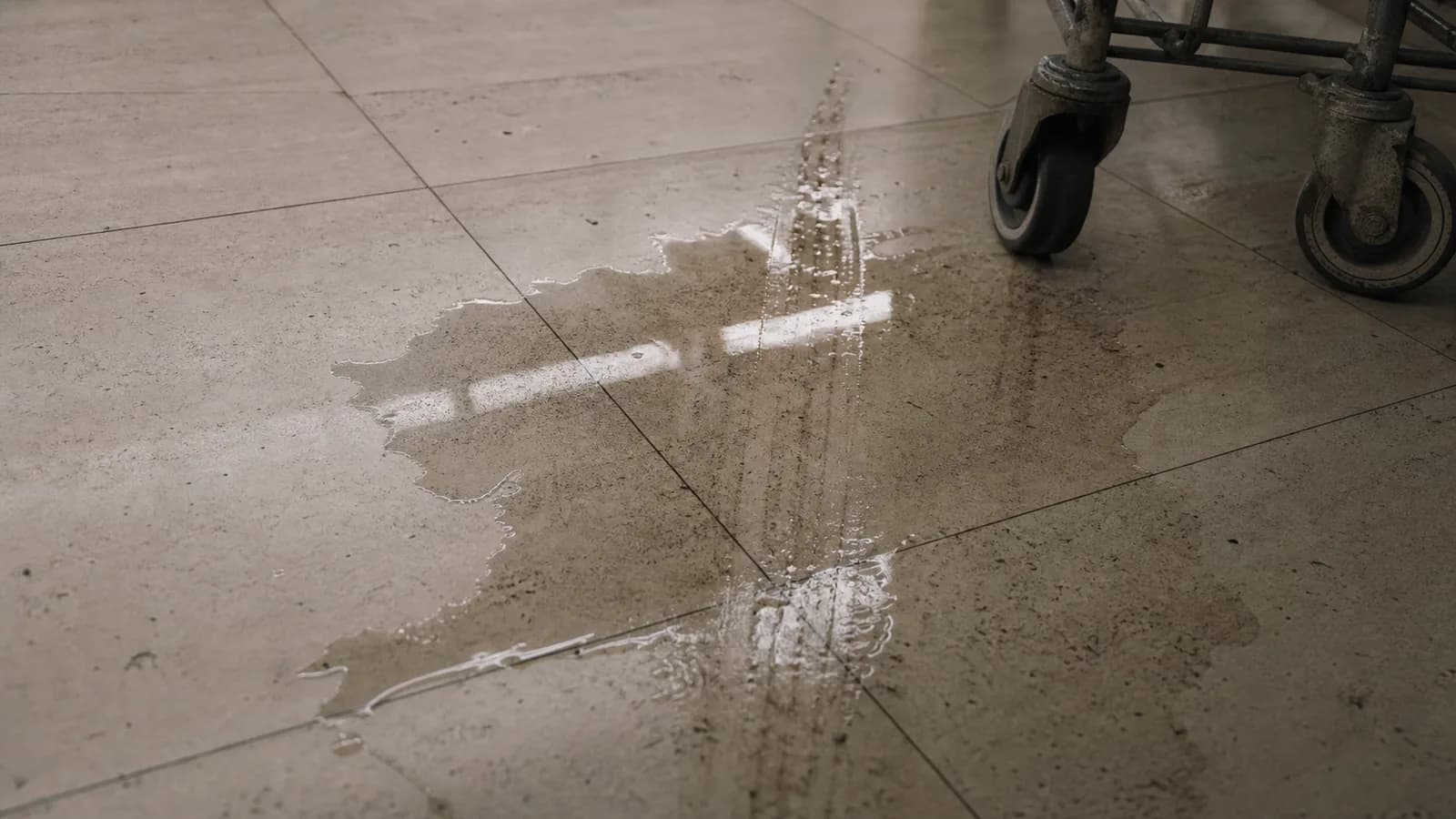
The whole case is how long the spill sat there. Sweep logs and video answer it.
Read this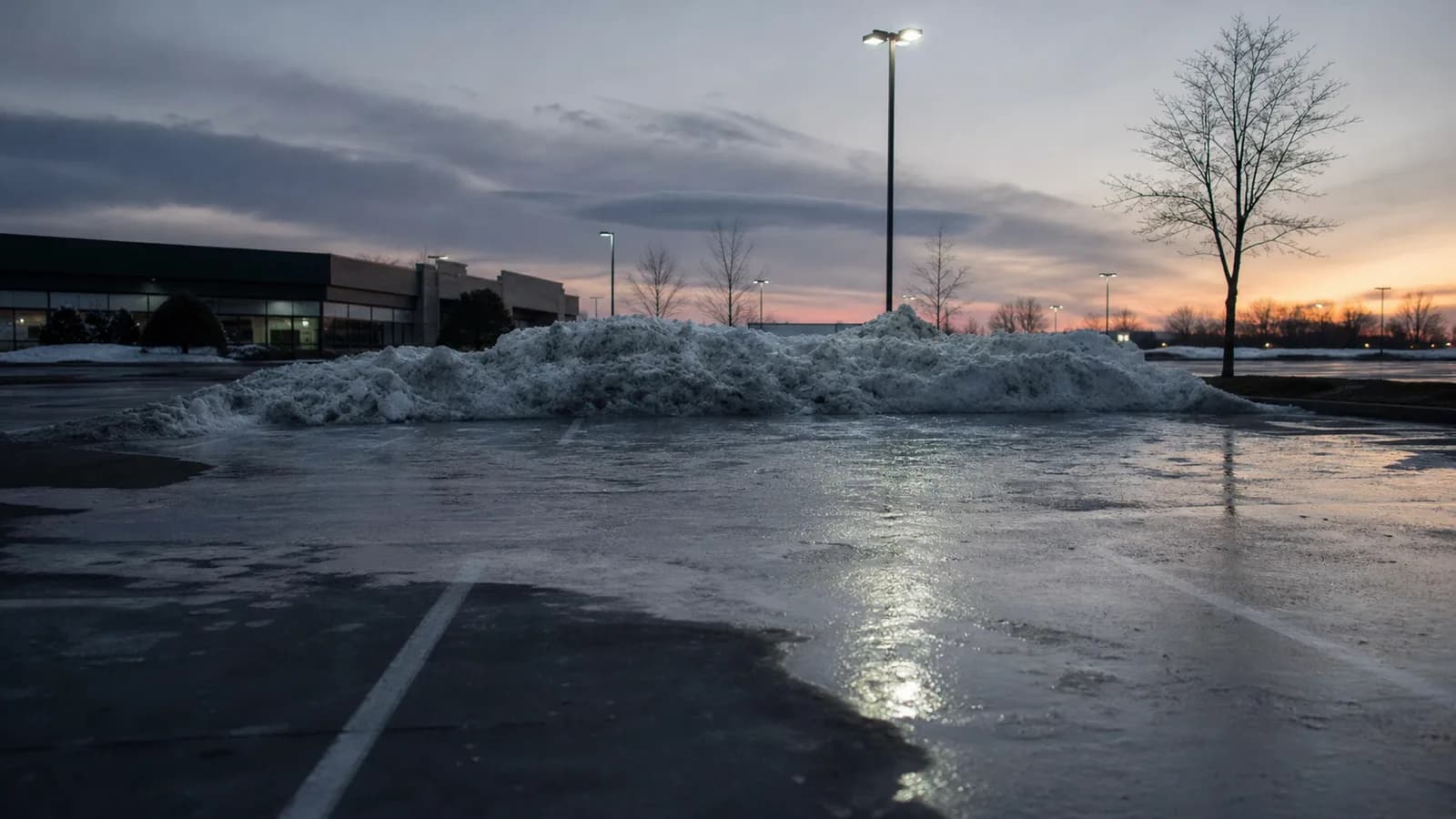
I was hurt in the parking lot
The first question isn't what happened. It's who was contractually responsible for the lot.
Read this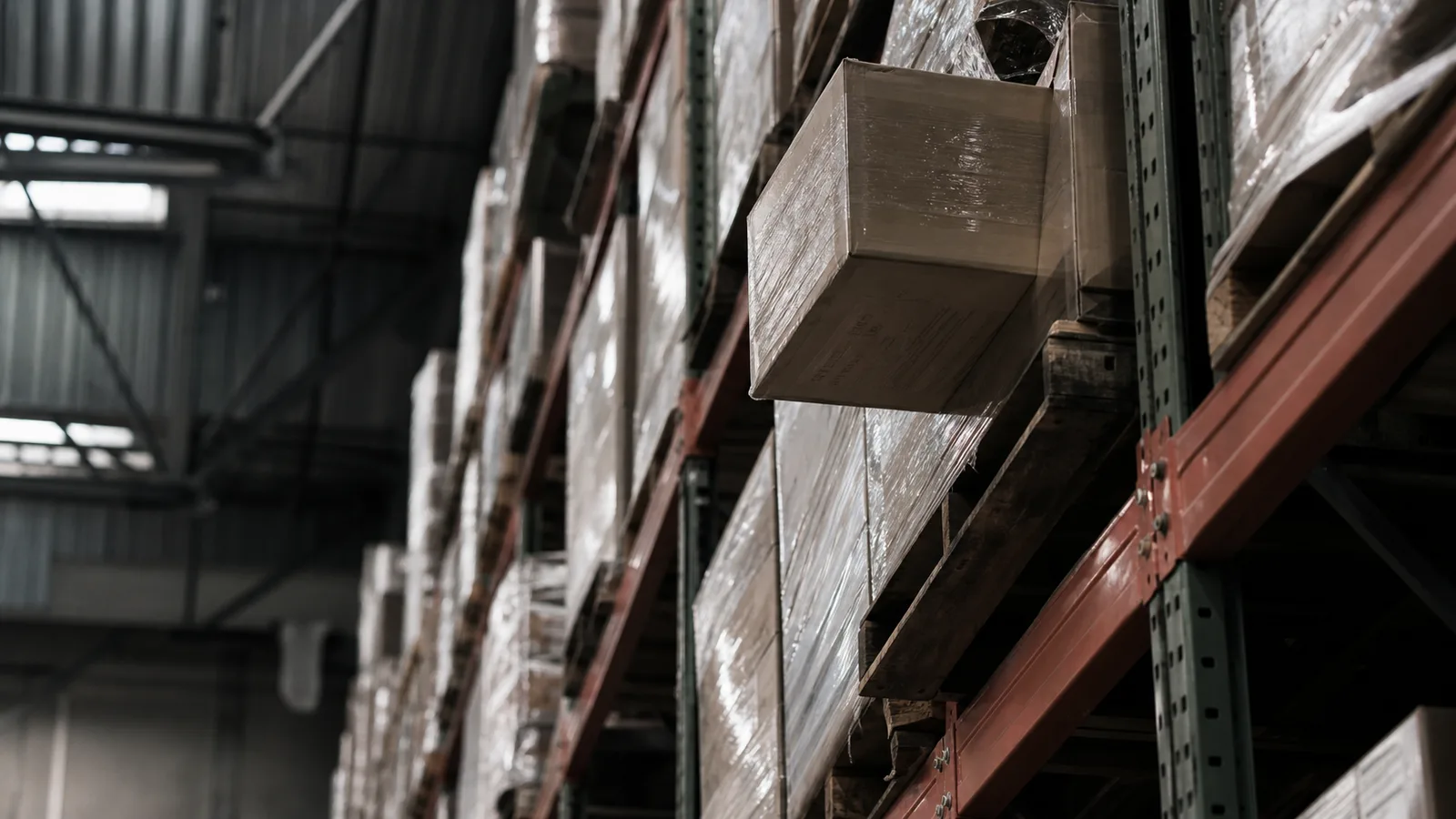
Merchandise fell on me
Usually a stronger claim than a slip — the store stacked it, so they created the hazard.
Read thisEvidence and research resources
See all resourcesEvidence checklist
The records, objects, photographs, and timelines worth preserving now.
Read thisPlain-language glossary
Medical, insurance, safety, and legal terms explained without the jargon.
Read thisOfficial sources
The government, court, safety, and medical sources used to check this site.
Read thisHave a lawyer look at this
A free review tells you whether the facts you have are the facts that matter. No cost, and no obligation to hire anyone.
Free · No obligation · About 90 seconds