Guide
Notice: the thing every store case turns on
A store is not an insurer of its customers. It is not automatically responsible for every injury that happens on its property. What it owes is reasonable care — and the way courts test that is by asking whether the store knew, or should have known, about the hazard in time to do something.
Understanding which route applies to your facts tells you which evidence to chase.
Published July 27, 2026 · Last reviewed July 30, 2026
Route 1: the store created it
The cleanest path. An employee mopped and left it wet, stacked a display badly, overfilled a drink machine, left a pallet in an aisle, or installed a mat that curls.
When the store's own conduct created the hazard, you generally don't have to separately prove they knew about it. They made it — knowledge is imputed. This is why falling merchandise and freshly-mopped-floor cases tend to be stronger than random spill cases.
Route 2: actual notice
Someone told them, or an employee saw it. A customer flagged it at the register, it went out over the headset, a cone was already placed, an employee walked past and kept going.
This route lives in records: internal communications, prior incident reports, complaint logs, and — most often — the testimony of the employee who was standing right there. It's also why the offhand remark an employee makes right after a fall matters so much. 'I told them about that leak last week' is actual notice, spoken out loud, and it will not be repeated once a claims department gets involved.
Route 3: constructive notice
Constructive notice means the hazard was there long enough that a store exercising reasonable care would have found it. There is no fixed number of minutes. Sweep logs establish the standard the store set for itself, and the physical condition of the spill — dried edges, cart tracks, tracked footprints — shows how long it sat.
The hardest and most common. The hazard was there long enough that a store exercising reasonable care would have found it. There is no fixed number of minutes; it's a reasonableness question weighed against the store's own inspection practices.
Which is why the store's sweep logs are so useful — they establish the standard the store set for itself. If the policy is a documented inspection every 30 minutes and the fall happened 50 minutes after the last one, the store has defined its own failure.
Physical evidence also speaks to duration. Liquid with dried edges, footprints or cart tracks through a spill, dirt mixed into it, melted ice, a wilted or blackened piece of produce — all of it is evidence the hazard had been there a while, which is why photographing the substance itself matters more than photographing the aisle.
Open and obvious
The main counterargument. If a hazard was so plain that a reasonable person would have seen and avoided it, some states bar or reduce recovery.
It has real limits. A hazard can be visible in the abstract and still unreasonable — a store that fills its aisles with merchandise specifically designed to pull your eyes off the floor is not on strong ground arguing you should have been watching the floor. Many states have also moved toward treating obviousness as a comparative fault factor rather than a complete bar.
Questions
How long does a spill have to be there?
There's no bright line. Courts weigh duration against what reasonable inspection would have caught, which depends on the store's traffic, layout, and its own written policies. Ten minutes in a busy entryway a store inspects every fifteen minutes may be enough; an hour in a remote corner may not be.
Nobody saw me fall. Does that sink it?
No, though it makes the incident report and any video more important. Circumstantial evidence of duration — the condition of the substance, cart tracks, the sweep log — proves notice without a witness. Your own consistent account matters too, which is why reporting it immediately and in writing is worth so much.
What if I was somewhere customers aren't supposed to be?
It changes your legal status on the property and generally lowers the duty owed to you, but it rarely eliminates it entirely. A store still can't set traps or ignore known dangers. Say so up front rather than letting it surface later.
Situations this applies to
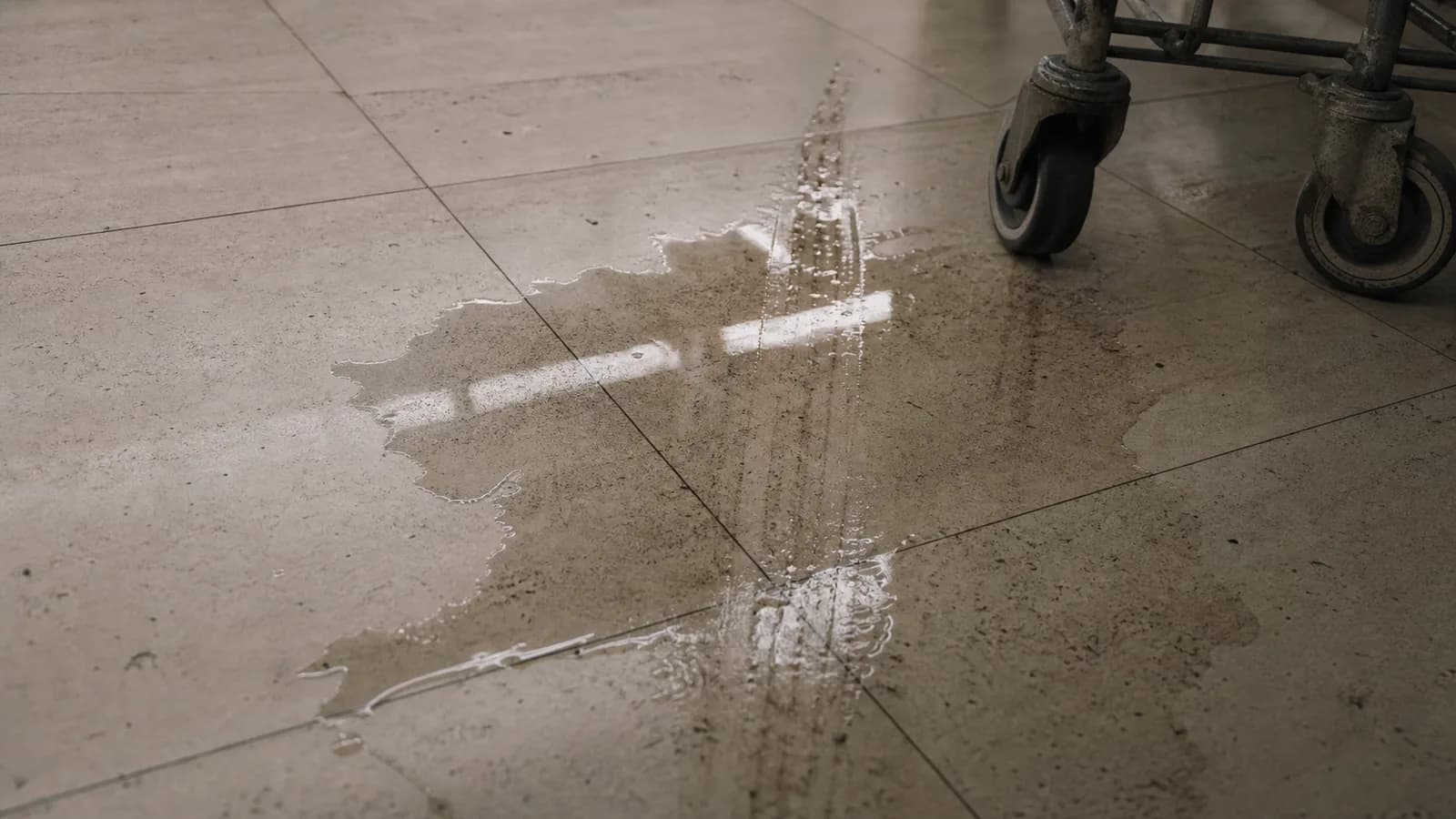
I slipped on a wet floor
The whole case is how long the spill sat there. Sweep logs and video answer it.
Read this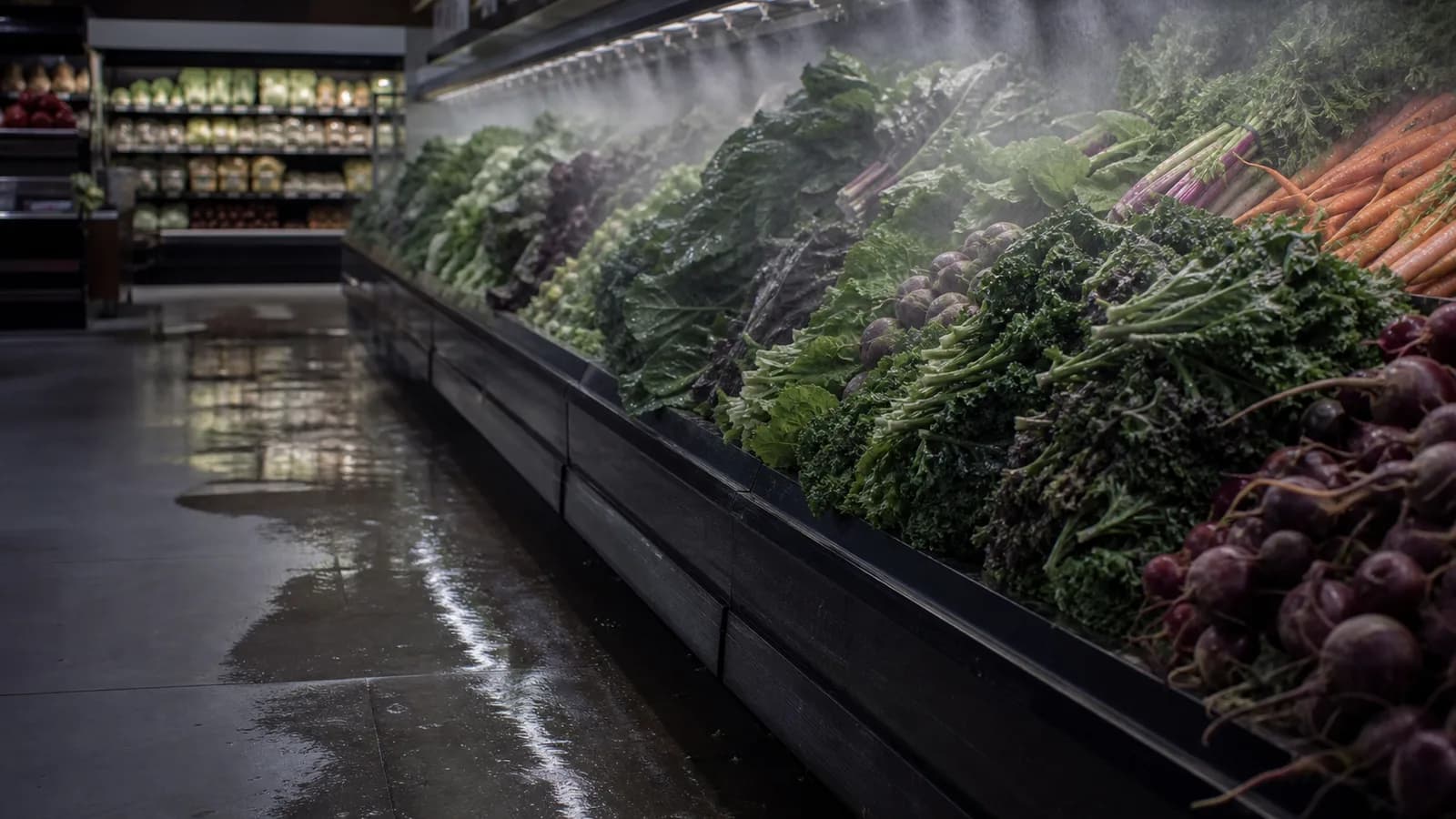
I fell in a grocery store
Supermarkets create hazards by design. Several states let you use that.
Read this
Merchandise fell on me
Usually a stronger claim than a slip — the store stacked it, so they created the hazard.
Read this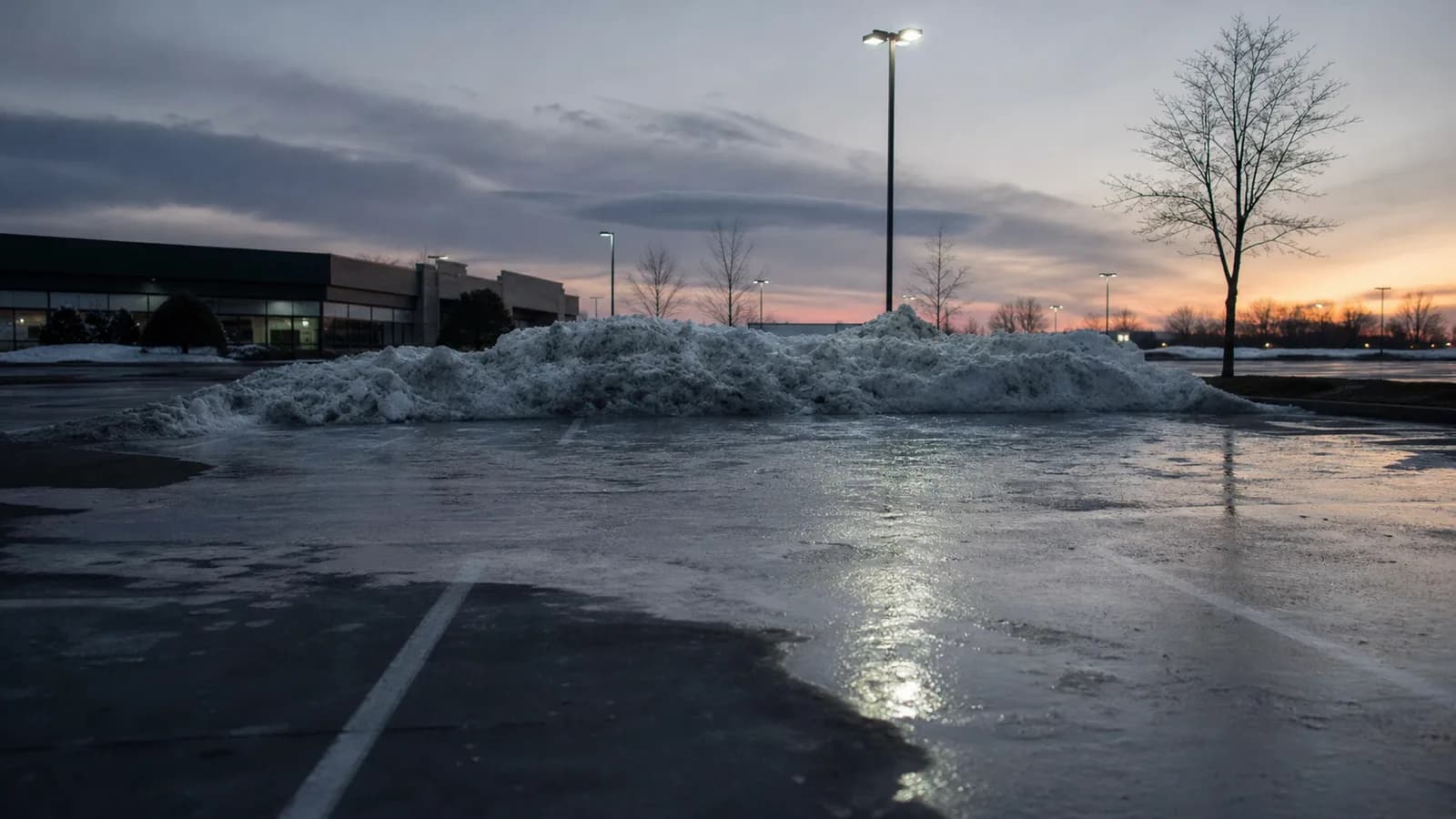
I was hurt in the parking lot
The first question isn't what happened. It's who was contractually responsible for the lot.
Read thisRelated guides
Getting the video before it's gone
Footage loops in weeks. A written preservation demand is the only thing that reliably stops it.
Read thisWhat these claims are worth
Honest version: this is a lower-value category. Here's what moves the number anyway.
Read thisThe deadlines
The legal deadline is years away. The one that matters is weeks.
Read thisEvidence and research resources
See all resourcesEvidence checklist
The records, objects, photographs, and timelines worth preserving now.
Read thisPlain-language glossary
Medical, insurance, safety, and legal terms explained without the jargon.
Read thisOfficial sources
The government, court, safety, and medical sources used to check this site.
Read thisGet a straight answer about your case
Reading only gets you so far. A free review puts your actual facts in front of an attorney who handles these claims.
Free · No obligation · About 90 seconds