What happened
Merchandise fell on you
These claims are frequently stronger than slip and falls, for a structural reason: the store stacked the merchandise. An employee put it there, in that configuration, at that height. That's the store creating the hazard, which eliminates the hardest element of a premises case.
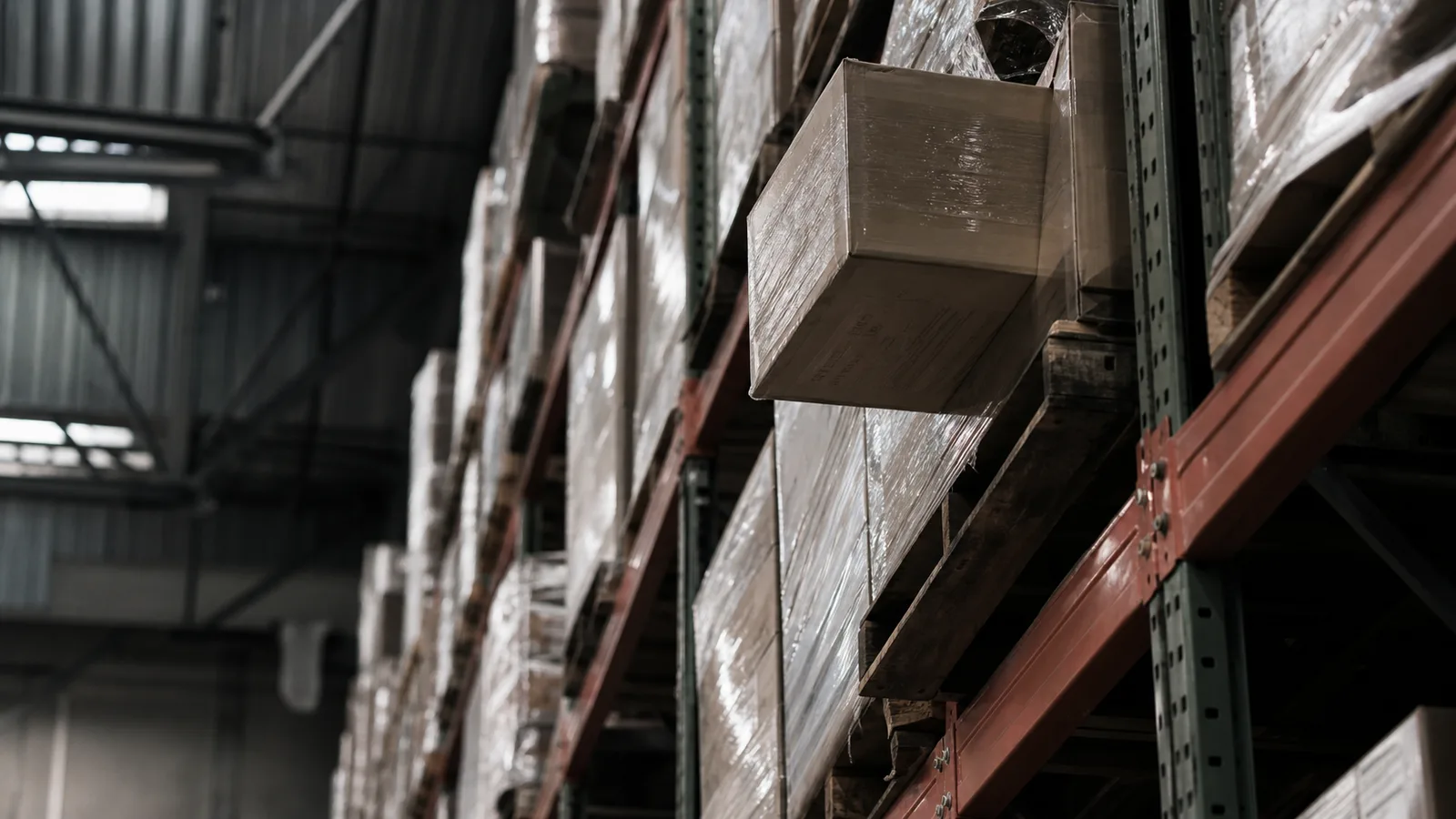
Warehouse-format stores, where heavy inventory is stored on racking directly above shoppers, raise the stakes considerably.
Published July 27, 2026 · Last reviewed July 30, 2026
Why notice usually isn't the fight
In a wet floor case the store says 'we didn't know.' In a falling merchandise case that argument is much harder, because the condition wasn't an accident that befell the store — it was the result of their own stocking decision.
The questions become whether the stacking followed the retailer's own written planogram and safety standards, whether the display was stable for its height and weight, whether items were stored above the safe reach of customers, and whether racking was inspected on schedule.
Warehouse clubs and big box racking
Storing pallets of heavy inventory on steel racking above the sales floor is an operational choice that most retailers manage with detailed rules: load limits, restrictions on restocking with a forklift while customers are in the aisle, netting or restraints, and inspection intervals for damaged racking uprights.
When something falls from height in one of those stores, the relevant evidence is internal — safety manuals, forklift operation policies, rack inspection records, and the training file of whoever loaded it. That material exists and is obtainable, and it's often the whole case.
The customer-did-it defense
The most common response is that another shopper destabilized the stack. Sometimes that's true. It's also a defense that video usually resolves in one direction or the other, and it doesn't automatically win — a display that a single customer can topple onto someone may itself be evidence that it was stacked unsafely.
What tends to make a claim worth pursuing
None of these is a guarantee. They are the facts an attorney will look for first when deciding whether to take a case like yours.
- The item fell from above normal reach height
- It was stacked by employees rather than placed by customers
- The display was visibly leaning, overloaded, or unsecured
- Heavy inventory was racked directly over a shopping aisle
- Restocking or a forklift was active while customers were present
- You were struck on the head, neck, or shoulder
- The store has prior incidents involving the same display or racking
Questions
Nothing looked broken and I felt okay. Should I have reported it?
Yes, and it's still worth reporting late in writing. Head, neck, and shoulder injuries from impact frequently present hours or days later, and a report created at the time is the cleanest link between the incident and the injury.
Is this a product liability case or a store case?
Usually the store, since the negligence is in how it was stacked or racked rather than in the product itself. If shelving or racking failed structurally, there may also be a claim against the manufacturer or installer — those aren't exclusive.
My child was hit. Does that change anything?
The claim is generally brought on the child's behalf, and most states extend or toll the filing deadline for minors — sometimes substantially. Settlements involving minors also frequently require court approval, which protects the child but adds process. Don't let the extended deadline delay evidence preservation; the video still loops on the same schedule.
Read next
Other situations
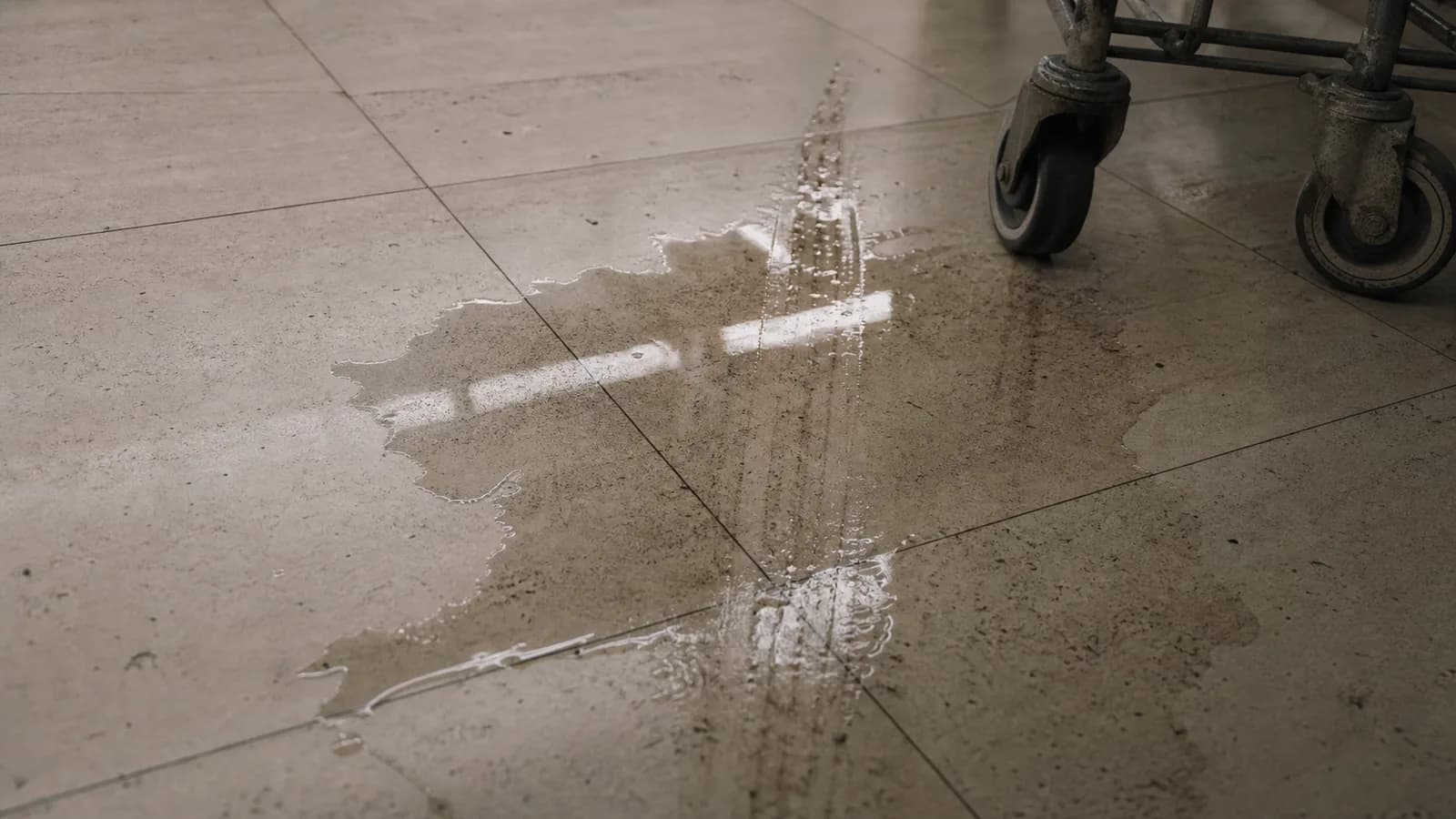
I slipped on a wet floor
The whole case is how long the spill sat there. Sweep logs and video answer it.
Read this
I fell in a grocery store
Supermarkets create hazards by design. Several states let you use that.
Read this
I was hurt in the parking lot
The first question isn't what happened. It's who was contractually responsible for the lot.
Read thisEvidence and research resources
See all resourcesEvidence checklist
The records, objects, photographs, and timelines worth preserving now.
Read thisPlain-language glossary
Medical, insurance, safety, and legal terms explained without the jargon.
Read thisOfficial sources
The government, court, safety, and medical sources used to check this site.
Read thisHave a lawyer look at this
A free review tells you whether the facts you have are the facts that matter. No cost, and no obligation to hire anyone.
Free · No obligation · About 90 seconds